
Pyromar Project
Understanding the influence of wildfire on marine ecosystems
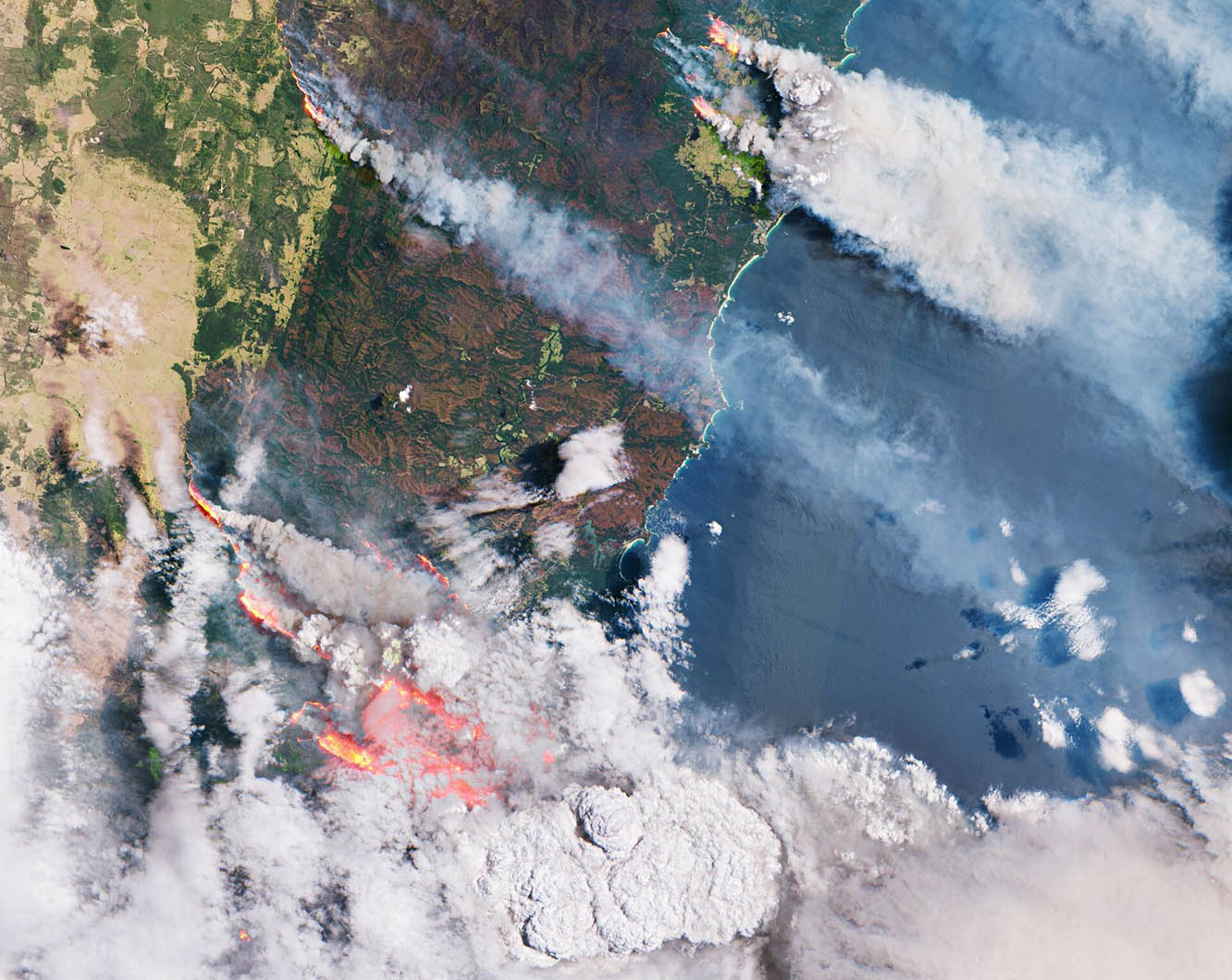
Phytoplankton form the foundation of the marine food web and play a crucial role in the carbon cycle. Their capacity to absorb CO₂ depends on the abundance of nutrients, which come from the deep ocean, or atmospheric aerosols—microscopic particles from desert dust, wildfire smoke, and ash. As climate change increases wildfire intensity and frequency, there is an urgent need to understand how these additional aerosol sources will affect phytoplankton abundance, diversity, and their capacity to capture CO₂ and sustain marine life.
Neutralising wildfires carbon emissions
The phytoplankton blooms induced by wildfire aerosols have the potential to re-absorb the excess CO2 they emit. Understanding where and when this can happen is crucial to better estimate the global carbon budget.
Impact on ocean food systems
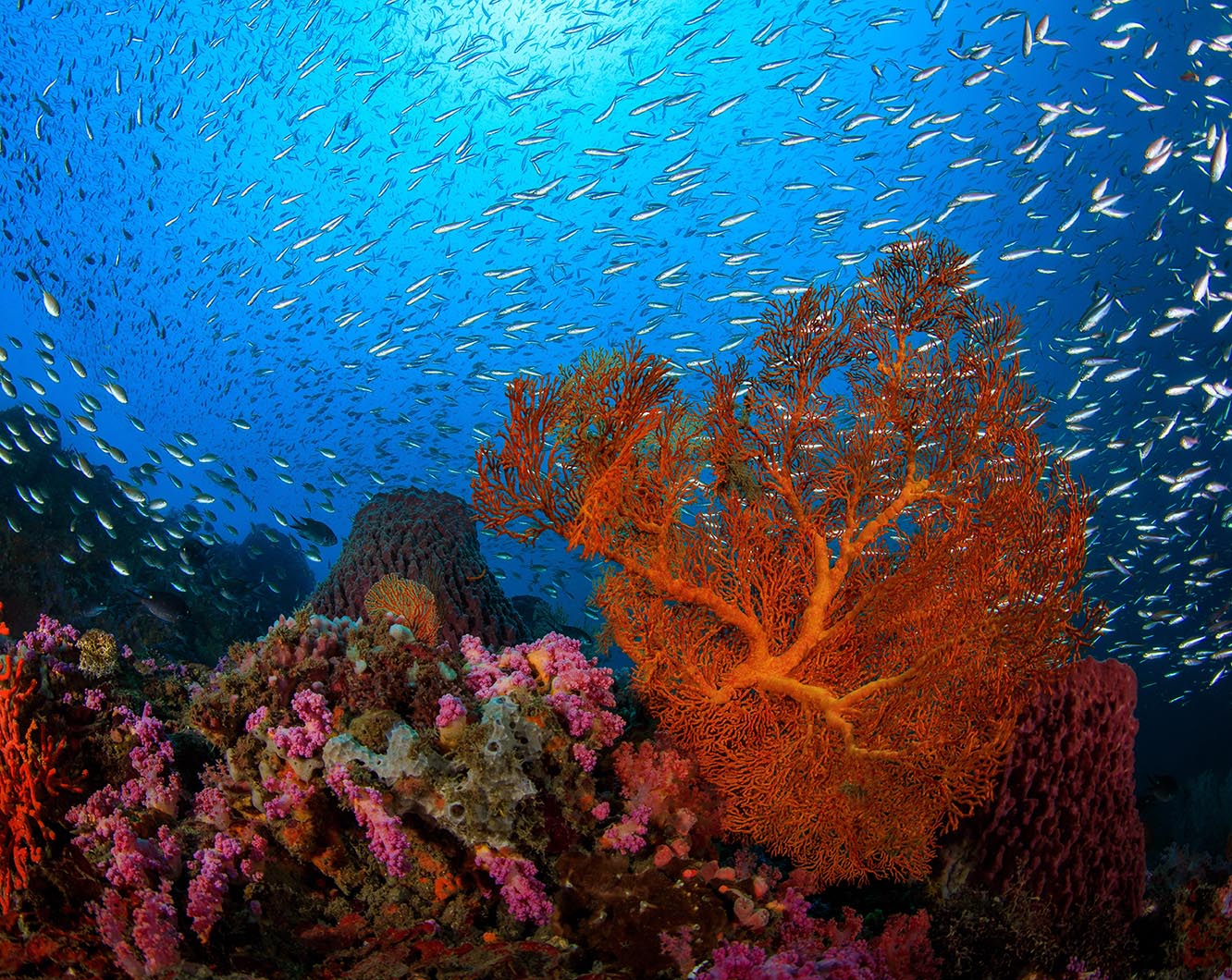
Wildfires-driven phytoplankton anomalies can ripple up to fish populations and coastal fisheries. Pyromar helps us predict and protect these vital ocean resources in fire-prone areas.
Identifying current and future sensitive areas
Using machine learning and satellite data, Pyromar will create a model able to predict where and when wildfire particles can impact marine life. The new tool will allow identifying marine and coastal areas likely to be altered by future fire activity.
