Pyrogenic aerosols' impact on marine biogeochemistry
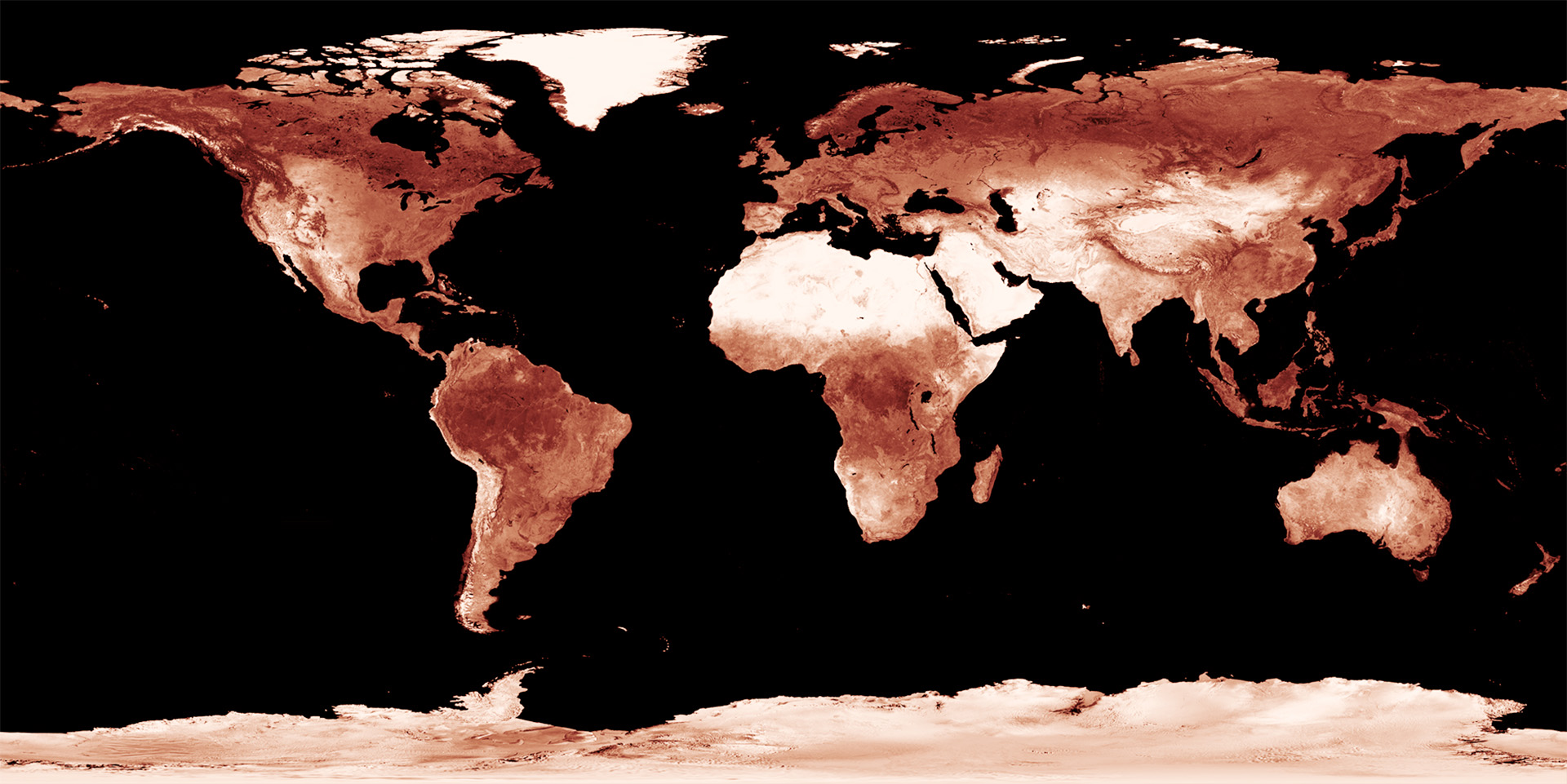
Pyromar investigates the impact of pyrogenic aerosols from wildfires on marine biogeochemistry. The project focuses on understanding how these aerosols affect phytoplankton communities and marine ecosystems.
1
Attribution and causation of correlations between aerosols and phytoplankton changes.
2
Assessment of impacts on marine biogeochemistry from increasing wildfire intensity.
3
Development of innovative EO-based methods and products.
Key research areas

Fire-Ocean Interactions
Our scientists track individual wildfire events from ignition to ocean impact, using satellites to follow smoke plumes across continents and then measuring changes in ocean color that reveal phytoplankton blooms. We're building the first comprehensive map of which types of fires, in which seasons, create the nutrients that feed ocean ecosystems - and which ones might be harmful instead.
Long-term Trends
Climate change is making wildfires bigger and more frequent, but what does this mean for ocean health over time? We're analyzing satellite data to reveal how increasing wildfire activity is gradually changing marine ecosystems. This research helps us understand whether the ocean's ability to absorb carbon is getting stronger or weaker as our planet experiences more fires.

Regional Studies
Not all oceans respond to wildfire particles the same way. We're conducting deep-dive studies in three critical regions: the Arctic Ocean (affected by massive fire in boreal forests), the North-Eastern Pacific (influenced by California's intense wildfire seasons) and the South Atlantic (under the influence of Amazon and El Cerrado recurring fires). Each regional study combines satellite observations, climate modeling and, when possible, ocean observations to understand the unique ways fire and ocean interact.
Case studies